|
|
|
|
|
|
|
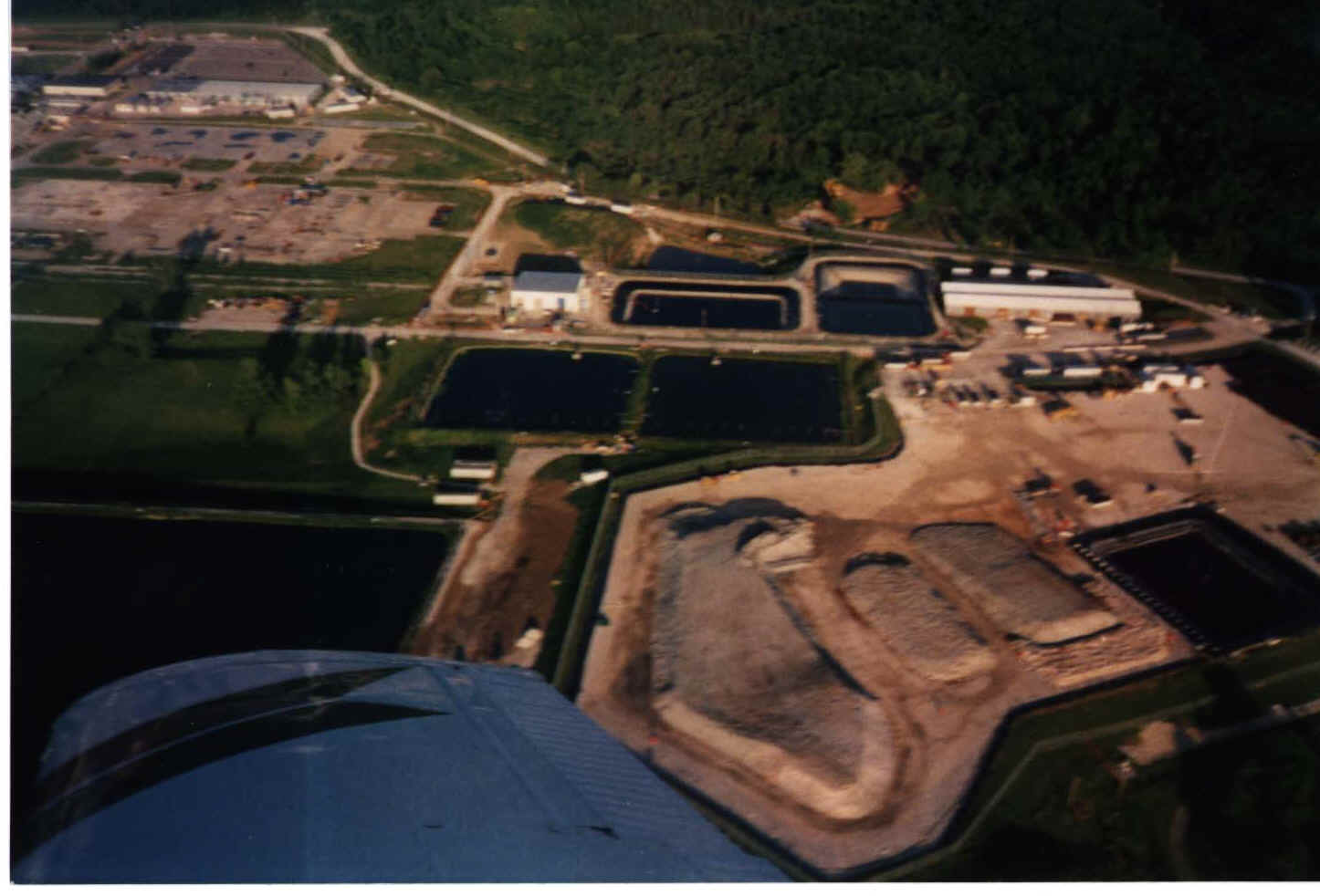
Many of RTG’s water treatment projects have required our services in all phases, from initial site assessment and regulatory analysis to treatability study development, remedial design, construction, and treatment plant operation. As such, RTG has the experience needed to provide “turnkey,” single-source service to clients with water treatment needs. Our combination of expertise in areas of site assessment, regulatory evaluation/permitting, process development, remedial design, construction, and operations provides clients with all the necessary elements to complete water treatment systems. In addition, we provide the appropriate level of project management and utilize up-to-date job tracking and accounting tools.
RTG typically begins a water treatment project with an assessment of the site to define elements such as site conditions, volumes, flowrates, and contaminant concentrations. In conjunction with the site assessment, RTG conducts an evaluation of “regulatory drivers,” which are usually enforceable state or Federal standards governing water discharges. The term “drivers” is applied to those regulations that mandate some form of water management, including treatment. For example, drinking water standards, commonly referred to as Maximum Contaminant Levels or MCLs, often “drive” a site to action. Such an action can entail the use of water treatment to prevent the introduction of unacceptable contaminant concentrations to receiving waters. Once the applicable drivers are identified, RTG usually prepares the necessary facility discharge permit applications.
When it is determined that water treatment is required for a particular site, the project focuses on identifying the best treatment approach. To accomplish this, the project may require treatability test programs to: produce process design criteria; evaluate process parameters; develop flowsheets for test and production-scale facilities; develop criteria for scale-up of unit operations and process equipment; and optimize processes. RTG can provide all of these “up front” treatability studies as part of our complete water treatment system design service.
Upon the completion of treatability studies, the process design phase of the project begins with a conceptual design and/or a design basis document. The conceptual design of a project defines process parameters and completes mass balances, piping and instrumentation diagrams, and a general arrangement drawing. General sizes and details of equipment are defined and specifications are outlined. It is at this point that RTG generally reviews the project status with the client prior to proceeding with the detailed design. All drawings and diagrams through the conceptual and detailed design are prepared by RTG’s staff of skilled designers using the most current version of Autocad.
The detailed design usually begins from the conceptual design and proceeds through completion of the design documents and drawings necessary to construct a water treatment facility. This component of process design includes the development of detailed equipment specifications, the identification of reputable equipment suppliers, and the issuance of purchase orders for equipment, with special attention given to long lead items. Concurrent with addressing equipment needs, drawing details, such as piping layouts, are completed by RTG designers under the supervision of registered professional engineers.
Plant construction and startup begins with the placement of an RTG field engineer at the site. The field engineer supervises plant construction, including equipment installation and utilities connection. Process engineers are placed at the site for equipment testing and facility start-up. RTG process engineers also develop operations and maintenance manuals, provide operator training services as necessary, and complete as-built drawings.
Once testing and facility start-up are completed, RTG operators provide operations services for both short- and long-term projects. RTG is capable of providing a complete facility operations team as required, including certified treatment plant operators, health and safety support staff, and project administration.